Institutions
How can banks see customer cash-flow pressure before a payment is missed?
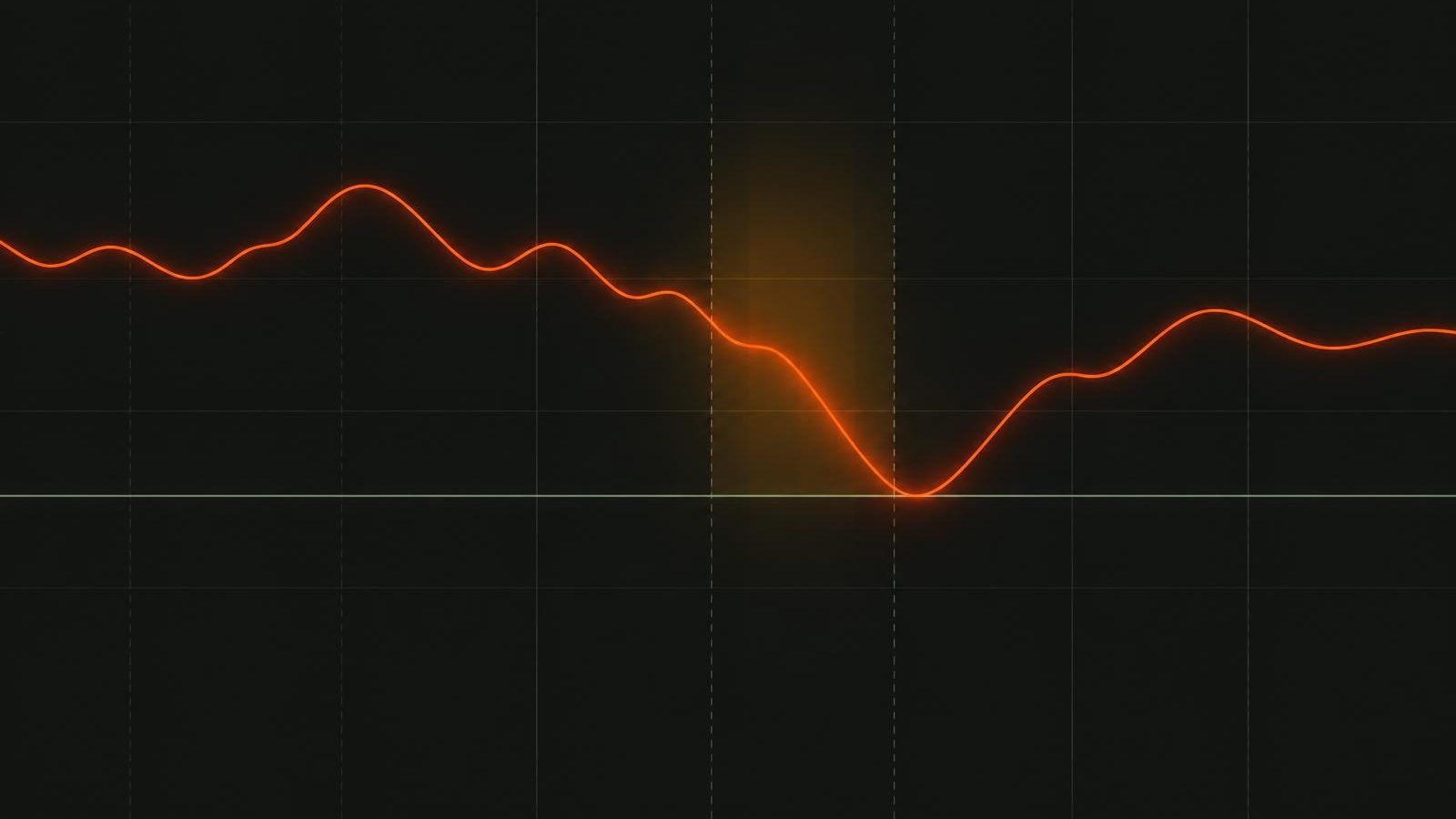
A bank can see customer cash-flow pressure before a payment is missed by projecting what it already knows — the customer's income pattern and recurring obligations — forward onto a timeline. When the scheduled outflows in a given week exceed what the projected balance can comfortably cover, that week is identifiable as a pressure window while there is still time to act on it.
Nothing about this requires predicting the future in a fortune-telling sense. Most household financial pressure is not random. It is the arithmetic of fixed dates: rent on the first, a car payment on the fifteenth, an insurance premium quarterly, income arriving every second Friday. The pressure is usually scheduled long before it is felt.
The signals are already in the account
The raw material for a forward view typically already exists in transaction data:
- Recurring income — payroll deposits and other regular inflows, with an identifiable cadence and typical amount.
- Recurring obligations — rent or mortgage payments, utilities, loan payments, insurance, subscriptions, and transfers that repeat on a pattern.
- Balance behaviour — how low the account typically runs before income arrives, and how quickly it recovers.
Read backward, these signals describe history. Read forward — placing each expected item on its expected date — they describe the next several weeks. The difference between a report and a forecast is simply the direction you face the same data.
From signals to a pressure window
Projecting forward produces a day-by-day expected balance. The useful output is not the balance itself but its shape: the lowest points, and what causes them. A week where rent, a loan payment, and an annual premium land between two paycheques will show a projected dip. That dip, with its dates and its causes, is a pressure window.
An illustrative example (fictional figures): a customer receives $2,100 every second Friday. In one particular week, rent of $1,450, a vehicle payment of $390, and a quarterly insurance premium of $285 all fall due before the next deposit. The projected balance dips below the combined obligations for roughly four days. No payment has been missed. Nothing unusual has happened. The pressure is entirely visible — if anyone is looking at the calendar instead of the balance.
What a bank can do with an earlier view
Seeing the window early changes the available responses:
- Timing of communication. A message sent before the tight week can frame options; the same message after a failed payment is a warning.
- Payment-date alignment. Some obligations can be moved to align with income dates — a structural fix rather than a rescue.
- Appropriate product conversations. Short-term flexibility products, payment deferrals, or fee relief can be discussed before they are needed, with dignity intact.
- Better risk conversations internally. Forward pressure is context for credit and collections teams that a static score does not provide.
Each of these depends on the forecast being explainable: which obligations, which dates, what assumptions. A pressure alert that cannot explain itself will not be trusted by staff or customers.
What it takes
Doing this well requires more than a projection. The system has to distinguish genuine recurring obligations from look-alike transactions, handle income that does not arrive on a clean schedule, and show its confidence honestly — especially where data is missing. Those are design problems, and they are the problems financial stability intelligence is being developed to solve.
PFSI is designed to provide this forward view for institutional partners, and is engaging a limited number of design partners during its pre-launch phase.
Key takeaways
- Cash-flow pressure is usually scheduled, not sudden — it is visible in income cadence and recurring obligations.
- Projecting those items forward identifies pressure windows days or weeks before a missed payment.
- An early view makes better responses possible: timing, alignment, and planning conversations instead of collections.
- Explanations and stated assumptions are what make a forecast usable inside an institution.
Banks exploring forward cash-flow visibility can start a design-partner conversation through the [Partnerships page](/partnerships).
---
About PFSI: PFSI (Personal Financial Stability Intelligence) is the financial intelligence program in development at Monimate Technologies Inc. New to PFSI? Start with [What Is PFSI?](/blog/what-is-pfsi).