Institutions
How can early cash-flow signals change the conversation between institutions and their customers?
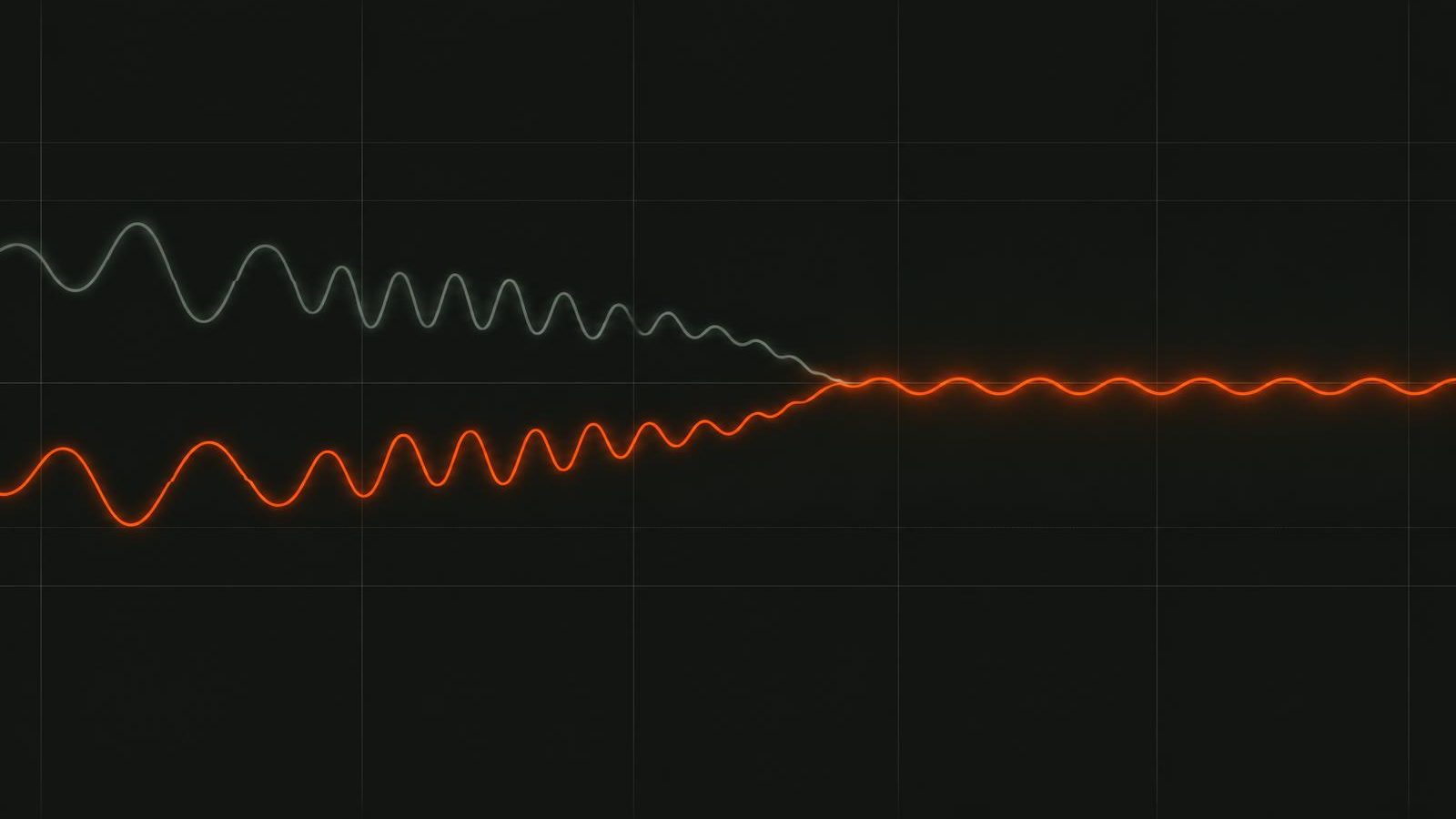
Early cash-flow signals change the conversation between institutions and their customers by changing when it happens. A conversation triggered by a projected pressure window — held while the tight week is still ahead — is a planning conversation, with options on the table and dignity intact. The same institution, talking to the same customer after a missed payment, is having a collections conversation whether it wants to or not. The signal's earliness is not a detail. It is the difference between the two relationships an institution can have with the people it serves.
The conversation institutions have now
Today, the institutional conversation about household difficulty almost always starts from an event in the past: a missed payment, a failed debit, a breached limit, an account flagged by a delinquency process. Everything about that starting point is loaded. The customer is already behind. Fees may already have applied. The staff member's tools are the tools of remedy — arrangements, restructures, escalation paths — and the customer's posture is defensive, because the conversation is, functionally, about a failure.
Both sides usually know the difficulty did not begin on the day of the missed payment. It began weeks earlier, in a calendar collision nobody was looking at. The institution's systems simply had no earlier moment at which a conversation was triggered.
What an early signal makes sayable
A forward signal — a pressure window with dates, causes, and a projected low point — gives the conversation concrete, neutral material:
- Specifics instead of labels. "Between the 9th and the 13th, these three payments land before your next deposit, and the projection runs short by roughly this much" is discussable. "Your account is at risk" is not.
- Options instead of consequences. While the week is still ahead, the menu includes moving a payment date, adjusting a due date, planning around the gap, or simply forewarning — the customer sees the same window and can prepare. After the event, the menu is remedies.
- The customer's own knowledge. Customers generally know their calendar better than any model. An early, specific conversation invites them to correct and complete the picture — income the data missed, an obligation that changed — improving both the relationship and the forecast.
Tone is a design decision
Early signals can be squandered by tone. A message that reads as surveillance — "we noticed your spending" — will teach customers to dread and dismiss the institution's foresight. The signals work when they are framed as a shared view: the customer sees the same forecast the institution sees, presented as information for their planning first, with staff support available around it. Transparency about what data produced the signal, and visible assumptions, are what keep "we can see a tight week coming" on the right side of the line between service and monitoring.
Institutions with relationship models — credit unions most explicitly, but any institution that talks about customer financial health — have the most to gain here, because the early conversation is precisely the experience their brand promises and their current triggers prevent.
The compounding effect
One early conversation is a service moment. A pattern of them is a different institution. Customers who are warned accurately — whose tight weeks are named in advance, whose good weeks are not alarmed — recalibrate their trust in every other signal the institution sends. Staff who open planning conversations develop a different knowledge of their customers than staff who open remedy conversations. And internally, an institution that routinely sees pressure forming starts designing products — due-date flexibility, payment alignment — against the calendar its customers actually live on.
That is the full promise of early signals: not earlier warnings, but a different conversation, held at the only time it can change the outcome.
Key takeaways
- Today's institutional conversation starts after an event; early signals let it start before one.
- Specifics — dates, obligations, gap size — make the conversation plannable rather than punitive.
- Framing decides whether foresight feels like service or surveillance; shared visibility and stated assumptions keep it service.
- Repeated early, accurate conversations compound into trust and better product design.
PFSI is designed to produce these early signals — pressure windows and coverage horizons with explanations — for institutional partners. Institutions can begin through the [Partnerships page](/partnerships).
---
About PFSI: PFSI (Personal Financial Stability Intelligence) is the financial intelligence program in development at Monimate Technologies Inc. New to PFSI? Start with [What Is PFSI?](/blog/what-is-pfsi).